Back
E Invoicing UAE: How to Stay Compliant With 2026 Regulations
March 30, 2026
2:21 AM
- How the National Day of Emirates Shapes UAE Identity in 2026
- Best Gold Investment Plans in UAE: Gold Rate Dubai & Buy Online
- Complete Guide to Vintage Car Insurance UAE & Antique Cover
- Antique Car Insurance Dubai: 2026 Guide for Collectors
- Historic Vehicle Insurance Dubai: Protecting Automotive History
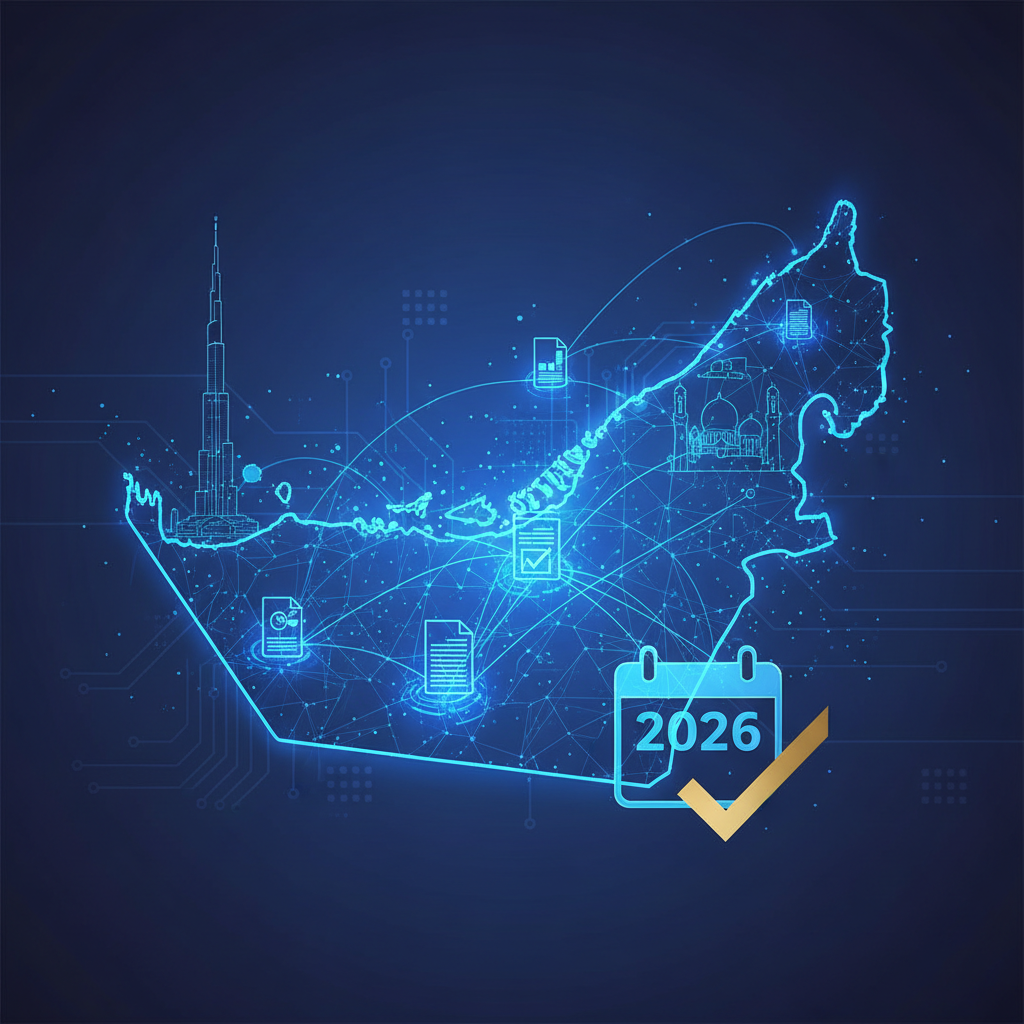
With the UAE’s push towards digital transformation, e invoicing has quickly become a non-negotiable standard for businesses of all sizes. The 2026 regulations raise the stakes for compliance, making it critical for UAE-based organizations to understand and implement the latest electronic invoicing requirements. Staying compliant not only helps avoid costly penalties but also streamlines operations and strengthens business relationships in a highly competitive marketplace.
Understanding E Invoicing in the UAE
E invoicing, or electronic invoicing, is the process of generating, sending, and storing invoices in a digital format. The UAE has established a clear regulatory framework that mandates businesses to issue e invoices for most B2B, B2G, and B2C transactions. As of 2025–2026, the Federal Tax Authority (FTA) requires that all VAT-registered businesses use approved electronic systems capable of generating compliant e invoices, ensuring authenticity, integrity, and readability throughout the invoice lifecycle.
These requirements are not just administrative; they are designed to increase transparency and reduce fraud, benefiting both businesses and the broader economy. For many organizations, the transition to e invoicing is also an opportunity to automate workflows and reduce manual errors.
Key UAE E Invoicing Regulations for 2026
The latest uae e invoicing regulations reflect a comprehensive approach, focusing on transparency, interoperability, and digital security. As of 2026, every e invoice must include a unique invoice identification number, a digital signature, and a QR code for easy verification. Invoices must be generated in a structured format, typically XML or PDF/A-3, and stored electronically for at least five years to comply with FTA audit requirements.
Another essential element is real-time or near-real-time reporting. Businesses are now required to transmit invoice data to the FTA’s e invoicing platform either immediately or within a specified window, depending on the transaction type. Failure to comply may result in financial penalties or even suspension of VAT registration, highlighting the importance of a robust e invoicing solution.
How to Create E Invoice UAE: Practical Steps
Navigating how to create e invoice UAE can seem daunting, but with a step-by-step approach, compliance becomes manageable. First, select an FTA-approved e invoicing software that supports the structured data formats and security standards mandated by the authorities. Ensure your system is integrated with your accounting software for seamless data flow.
Next, train your finance and accounting team on the new process to minimize errors and delays. Generate test e invoices to validate that all required fields—such as TRN, invoice date, line-item breakdown, digital signature, and QR code are correctly included. Finally, set up automated archiving and reporting to stay audit-ready and compliant with electronic invoicing requirements uae.
Personal Insights: The Real-World Impact of E Invoicing
Having worked with several UAE businesses transitioning to e invoicing, I’ve seen firsthand how the right system can reduce processing times and improve accuracy. Many companies initially worry about the technical hurdles, but after implementation, they report faster payment cycles and clearer audit trails. The most successful transitions focus on continuous staff training and proactive system updates as regulations evolve.
It’s also clear that investing in compliance upfront pays off. Those who delay often face rushed implementations, higher costs, and greater risk of penalties. Choosing a scalable solution is key, especially as regulations and business needs evolve in the UAE’s dynamic market.
Conclusion: Staying Ahead in UAE’s Digital Economy
Embracing e invoicing is no longer optional for UAE businesses, it’s a regulatory requirement and a strategic advantage. By understanding the latest uae e invoicing regulations, investing in compliant systems, and prioritizing staff training, businesses can ensure smooth operations and avoid costly missteps. As the UAE continues to set the pace for digital transformation in the region, staying proactive with electronic invoicing requirements uae will keep your organization both compliant and competitive in 2026 and beyond.
Secure Your Future with a Quick Quote
Secure your insurance with CoverB